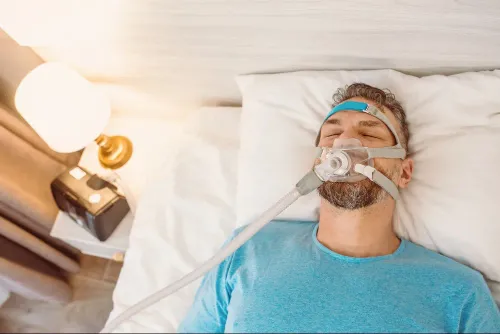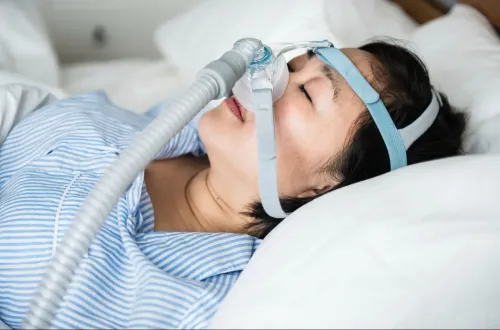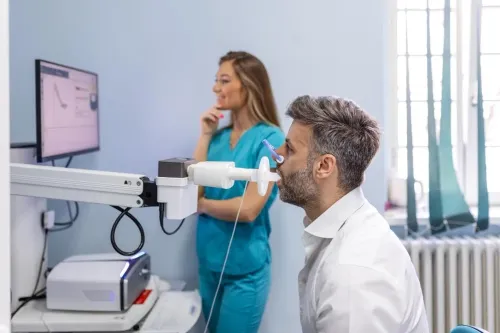
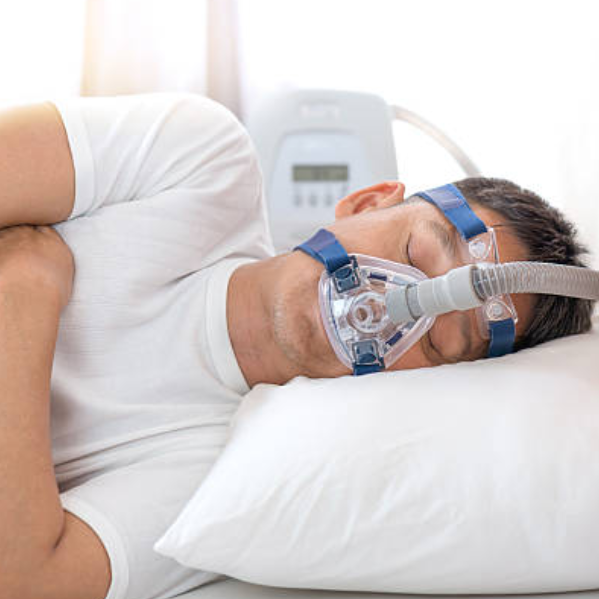
Feeling tired after a short night's sleep is expected. Feeling persistently sleepy despite apparently adequate sleep can indicate that sleep quality is being disrupted. When snoring, breathing pauses, choking episodes, or unexplained daytime sleepiness occur, a Sleep Study may help identify what happens during the night.
For patients in Mumbai Central, Maharashtra, the decision to undergo a sleep study should be based on symptoms and clinical assessment rather than snoring alone.
What Is a Sleep Study?
A sleep study records physiological information while a person sleeps.
Depending on the type of study, measurements may include breathing patterns, oxygen levels, heart rate, airflow, respiratory effort, sleep stages, and body movements.
The information helps clinicians identify abnormal patterns that may not be apparent while the patient is awake.
Who May Need Sleep Testing?
Assessment may be considered when a person experiences:
- Loud habitual snoring
- Witnessed pauses in breathing
- Gasping during sleep
- Significant daytime sleepiness
- Morning headaches
- Unrefreshing sleep
- Repeated nighttime awakenings
- Difficulty concentrating during the day
A sleep study may also be recommended when a clinician suspects sleep-disordered breathing based on medical history and examination.
Home Test or Laboratory Study?
Not every sleep investigation is identical.
Selected patients may be suitable for home-based sleep apnea testing. This approach typically records a more limited set of parameters and focuses primarily on breathing abnormalities.
A laboratory-based polysomnography can record more comprehensive sleep information.
The appropriate option depends on the suspected disorder, medical history, symptoms, and whether other sleep conditions need consideration.
What Do the Results Mean?
For suspected obstructive sleep apnea, one important measurement reflects how frequently breathing disturbances occur during sleep.
However, interpretation should consider more than a single number.
Oxygen changes, symptom severity, sleep quality, medical conditions, and the pattern of respiratory events all contribute to treatment decisions.
What Happens After Diagnosis?
Management depends on the findings. Options may include lifestyle measures, positional approaches, CPAP therapy, management of nasal or upper airway factors, or other interventions in selected cases.
Dr. Pujan Parikh can assess whether sleep testing is appropriate and interpret results within the wider respiratory and clinical picture.
For patients around Mumbai Central and South Mumbai, a sleep study is most valuable when it answers a specific clinical question. If unexplained daytime sleepiness, loud snoring, or witnessed breathing pauses are affecting everyday life, objective testing can help determine whether disturbed nighttime breathing is contributing to the problem.
Keywords