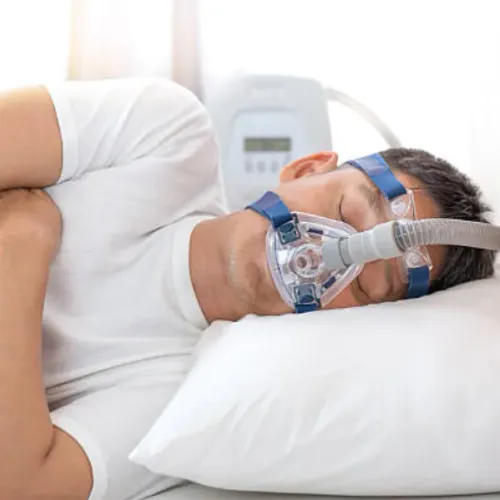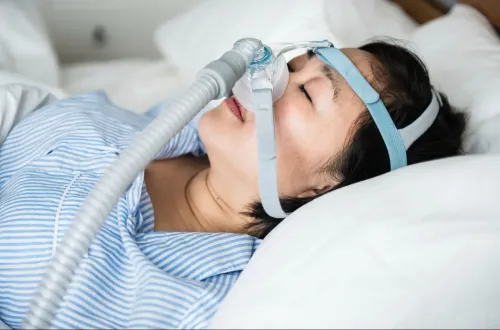
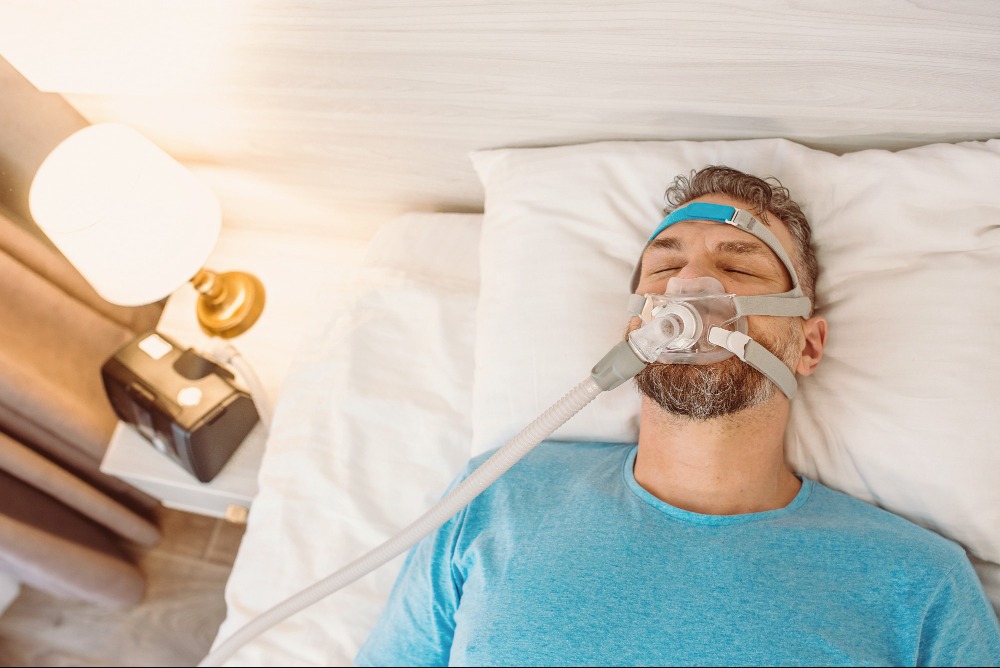
After being diagnosed with obstructive sleep apnea, some patients are advised to use CPAP Therapy. The unfamiliar mask, tubing, and machine can make the treatment appear complicated initially, but understanding how CPAP works can make adaptation easier.
CPAP stands for continuous positive airway pressure. The device provides pressurized air through a mask during sleep, helping prevent the upper airway from repeatedly narrowing or collapsing.
For patients in South Mumbai, successful CPAP treatment depends on more than simply purchasing a machine.
Why Is CPAP Prescribed?
In obstructive sleep apnea, airflow becomes reduced or temporarily stops because the upper airway repeatedly becomes obstructed during sleep.
CPAP maintains positive pressure in the airway, helping keep it open.
When appropriately prescribed and consistently used, this can reduce sleep-related obstructive breathing events.
Choosing the Right Mask Matters
Different mask styles are available, including nasal masks, nasal pillow interfaces, and full-face masks.
A suitable option depends on factors such as:
- Breathing pattern
- Mouth breathing
- Facial structure
- Comfort
- Air leakage
- Nasal obstruction
- Sleeping habits
An uncomfortable or poorly fitting mask can cause leakage and make consistent use difficult.
Common Early Difficulties
Some patients initially experience:
- Mask discomfort
- Dry nose or mouth
- Air leakage
- A sensation of excessive pressure
- Difficulty falling asleep with the mask
- Skin irritation
- Claustrophobic feelings
These problems do not automatically mean CPAP cannot be used. Adjustments to mask fit, humidification, pressure settings, or acclimatization may help depending on the problem.
Why Follow-Up Is Important
CPAP devices can provide useful treatment data. Reviewing this information can help determine whether the device is being used consistently, whether significant leakage is occurring, and whether residual breathing events remain.
Therefore, follow-up should focus on both clinical improvement and treatment data rather than simply asking whether the machine is switched on each night.
CPAP Should Be Individualized
Pressure requirements are not identical for every person. Appropriate settings depend on sleep study findings and individual respiratory characteristics.
Dr. Pujan Parikh can assess sleep apnea findings and CPAP-related concerns as part of sleep respiratory care.
For patients across South Mumbai, the practical goal is sustainable treatment. A machine that remains unused because of discomfort provides little benefit. Correct selection, proper mask fitting, patient education, troubleshooting, and follow-up can make CPAP therapy considerably easier to incorporate into regular sleep.
Keywords