Being advised to undergo a Bronchoscopy can sound concerning, particularly when someone has never encountered the procedure before. In respiratory medicine, however, bronchoscopy is an established diagnostic and therapeutic procedure that allows a doctor to examine the air passages directly.
For patients in Mahalaxmi, Mumbai, understanding why bronchoscopy has been recommended can make the investigation easier to approach.
What Is Bronchoscopy?
Bronchoscopy involves passing a thin instrument called a bronchoscope through the nose or mouth into the airways.
A flexible bronchoscope contains a camera and light source, enabling the pulmonologist to inspect the trachea and bronchial passages.
It may be recommended when imaging or symptoms indicate that direct examination of the airways could provide information that routine tests cannot.
Why Might a Doctor Recommend It?
Bronchoscopy can be considered in situations involving:
- Persistent unexplained cough
- Coughing up blood
- Abnormal chest imaging
- Suspected airway obstruction
- Recurrent or unresolved infection
- Suspicious lung lesions
- Collection of respiratory samples
- Need for tissue biopsy
- Certain foreign bodies
- Evaluation of airway abnormalities
The reason for performing bronchoscopy should always be clearly established beforehand.
What Can Be Collected During the Procedure?
Depending on the clinical question, bronchoscopy can be used to obtain samples from the respiratory tract.
These may include airway secretions, washings, brushings, lavage fluid, or small tissue samples.
The samples can then undergo laboratory, microbiological, cytological, or histopathological analysis as appropriate.
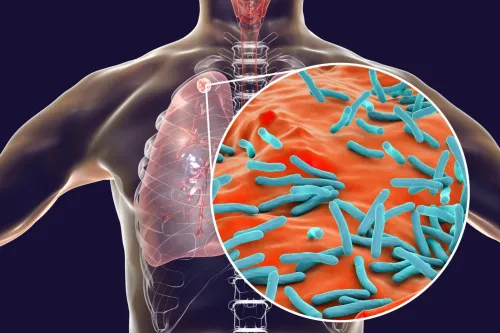
This can be particularly useful when doctors need to investigate infections, tuberculosis, inflammatory lung conditions, or suspicious abnormalities.
Is Preparation Required?
Patients are generally given specific instructions about fasting and medicines before bronchoscopy. Certain medicines, particularly blood-thinning medications, may need special consideration.
The healthcare team also reviews existing medical conditions, investigations, allergies, and the reason for the procedure.
Monitoring continues during and immediately after bronchoscopy.
What Happens Afterward?
Temporary throat irritation, mild cough, or hoarseness can occur after the procedure. Recovery instructions depend on whether sedation was used and whether biopsies or other interventions were performed.
Patients should follow the specific post-procedure guidance provided by their treating team.
Dr. Pujan Parikh evaluates whether bronchoscopy is appropriate according to the patient's symptoms, imaging findings, and diagnostic requirements.
For patients in Mahalaxmi and nearby South Mumbai areas, bronchoscopy can provide information that may not be available through imaging alone. The important point is that the procedure should be performed for a clear clinical indication and interpreted alongside the patient's overall respiratory evaluation.
Keywords