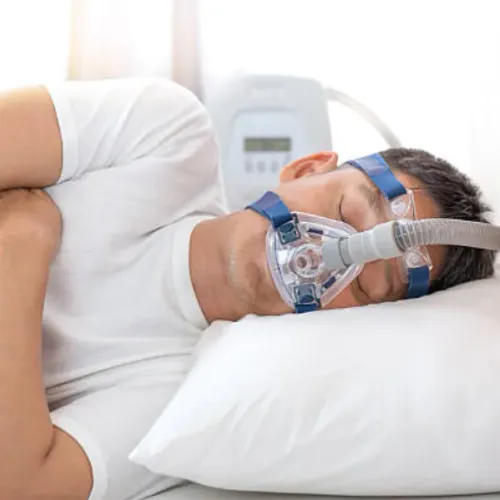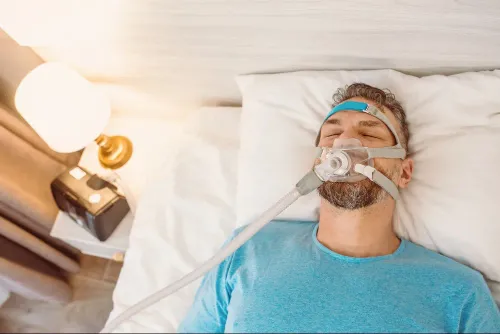
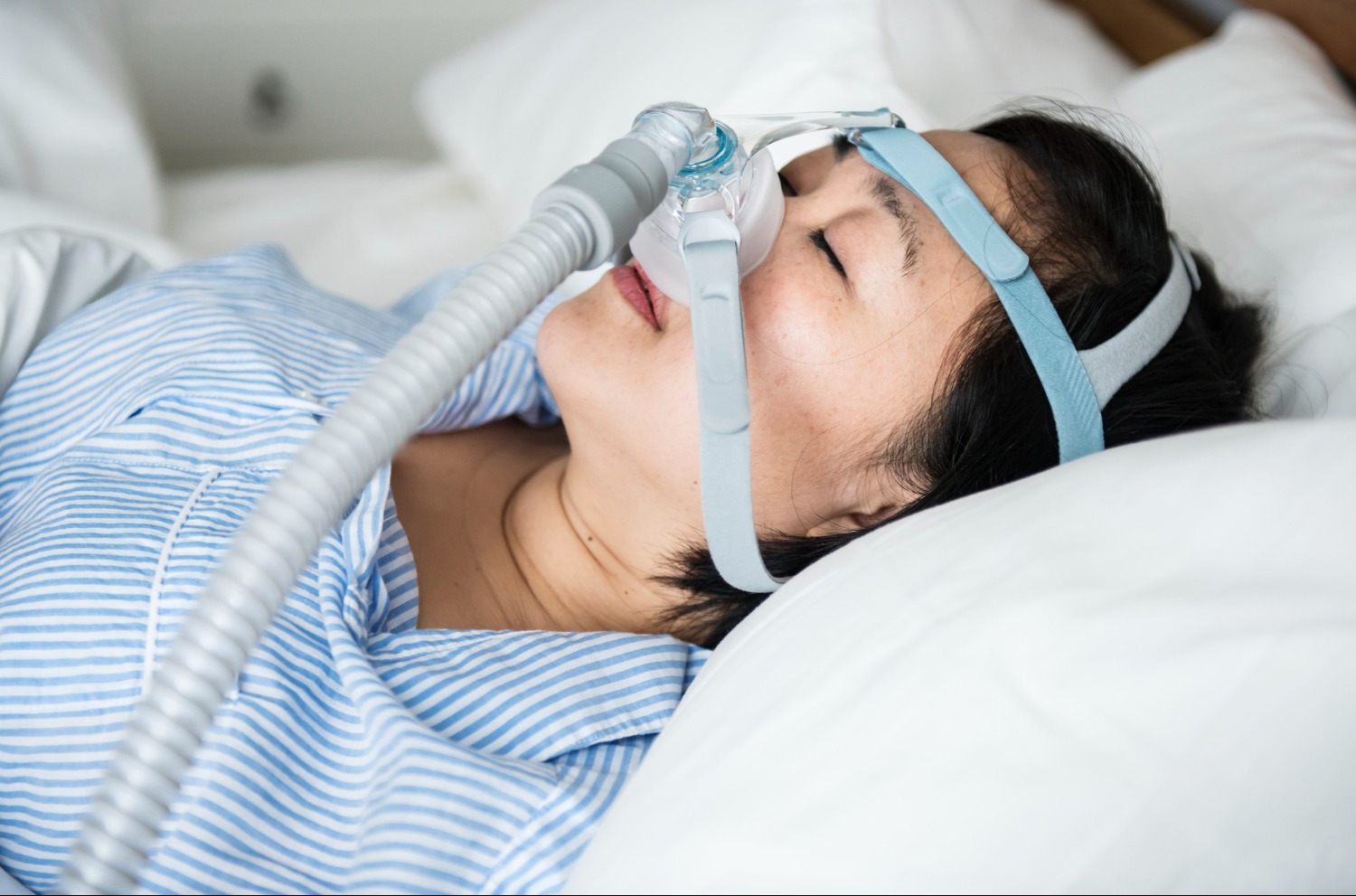
Snoring is common, but loud snoring combined with repeated pauses in breathing can indicate something more significant. Sleep Apnea is a sleep-related breathing disorder in which breathing repeatedly stops or becomes reduced during sleep.
Because the person is asleep when these episodes occur, family members or partners may notice the problem before the individual does.
For people in Marine Lines, Mumbai, recognising the typical signs can help determine when sleep-related breathing assessment is appropriate.
Common Signs During Sleep
Possible nighttime signs include:
- Loud habitual snoring
- Witnessed breathing pauses
- Choking or gasping during sleep
- Restless sleep
- Repeated awakenings
- Dry mouth after waking
- Frequent nighttime urination
Not everyone who snores has sleep apnea. The combination of snoring with breathing pauses and daytime symptoms is more concerning.
What Happens During the Day?
Poor-quality sleep can affect daytime functioning even when someone believes they slept for seven or eight hours.
Possible symptoms include:
- Morning headaches
- Excessive daytime sleepiness
- Poor concentration
- Irritability
- Reduced productivity
- Difficulty staying alert
- Feeling unrefreshed after sleep
People sometimes attribute these problems to work stress, long commuting hours, or insufficient sleep without considering an underlying breathing disorder.
Who May Have a Higher Risk?
Sleep apnea can occur in different individuals, although certain factors may increase risk.
These include excess body weight, particular upper airway anatomy, increasing age, family history, alcohol use, and some medical conditions.
Importantly, physical appearance alone cannot determine whether someone has sleep apnea.
How Is It Confirmed?
Symptoms can raise suspicion, but diagnosis generally requires objective sleep assessment.
A sleep study records relevant physiological parameters while the patient sleeps. The results help determine whether abnormal breathing events occur, how frequently they occur, and whether oxygen levels are affected.
The type of sleep test required depends on the patient's clinical situation.
Why Is Evaluation Important?
Untreated sleep apnea can affect sleep quality and daytime alertness. It may also have associations with cardiovascular and metabolic health, making proper assessment important when symptoms are persistent.
Treatment varies according to the type and severity of sleep apnea and individual patient characteristics.
Dr. Pujan Parikh evaluates sleep-related respiratory symptoms and can determine whether further sleep testing is appropriate.
For residents of Marine Lines and surrounding South Mumbai areas, persistent loud snoring accompanied by witnessed breathing pauses or significant daytime sleepiness should not simply be treated as a harmless sleeping habit. Proper assessment can establish whether sleep apnea is actually present and guide the next stage of management.
Keywords