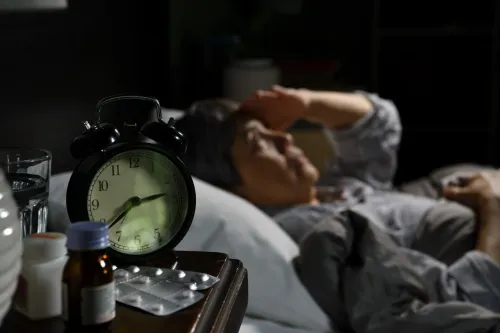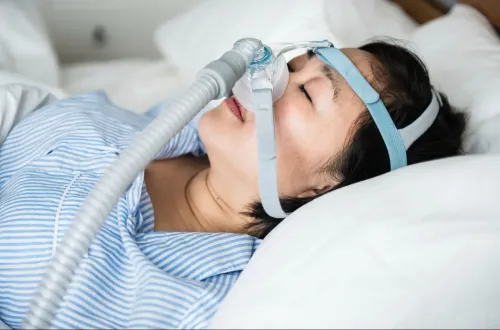

Tuberculosis remains an important respiratory health concern in India. Although tuberculosis treatment is effective for many patients, successful management depends heavily on correct diagnosis, an appropriate treatment regimen, regular follow-up, and completing the prescribed course.
Patients around Grant Road, Mumbai, Maharashtra, may initially seek medical attention because of a persistent cough or unexplained fever. Recognising symptoms early can help initiate appropriate testing without unnecessary delay.
Symptoms That May Require TB Testing
Pulmonary tuberculosis primarily affects the lungs, although TB can involve other parts of the body.
Possible symptoms include:
- Persistent cough
- Fever
- Night sweats
- Unexplained weight loss
- Reduced appetite
- Fatigue
- Chest discomfort
- Blood in the sputum
These symptoms are not specific to tuberculosis. Other respiratory diseases can produce similar complaints, which is why diagnosis should be based on appropriate clinical assessment and investigations.
How Is Pulmonary Tuberculosis Evaluated?
Depending on the clinical situation, evaluation can involve chest imaging and examination of sputum or respiratory samples. Additional investigations may be required when initial tests do not provide a clear answer.
Certain patients may require bronchoscopy to obtain respiratory samples when clinically indicated.
Once tuberculosis is confirmed, treatment is selected according to the type of TB, test results, previous treatment history, and other individual considerations.
Why Completing Treatment Matters
One of the most important aspects of tuberculosis management is taking prescribed medicines consistently for the recommended duration.
Stopping treatment simply because the cough, fever, or weakness has improved can be problematic. Symptoms may improve before the infection has been adequately treated.
Patients should therefore:
- Take medicines according to the prescribed schedule.
- Attend planned follow-up visits.
- Report significant medication-related problems promptly.
- Complete requested investigations.
- Avoid independently stopping or modifying medicines.
Management can differ when drug resistance is suspected or identified, making medical supervision particularly important.
Follow-Up Is Part of TB Care
Treatment is not limited to receiving a prescription. Follow-up helps the treating physician assess symptom improvement, medication tolerance, investigation findings, and overall progress.
Dr. Pujan Parikh provides evaluation and respiratory care for patients with suspected or diagnosed pulmonary tuberculosis, including assessment when symptoms require further investigation.
For people in Grant Road and nearby South Mumbai neighbourhoods, a cough that persists or occurs alongside fever, weight loss, night sweats, or blood in the sputum deserves appropriate evaluation. Early investigation and consistent adherence to prescribed tuberculosis treatment remain central to effective TB management.
Keywords