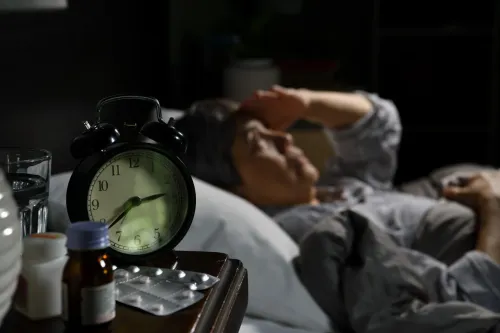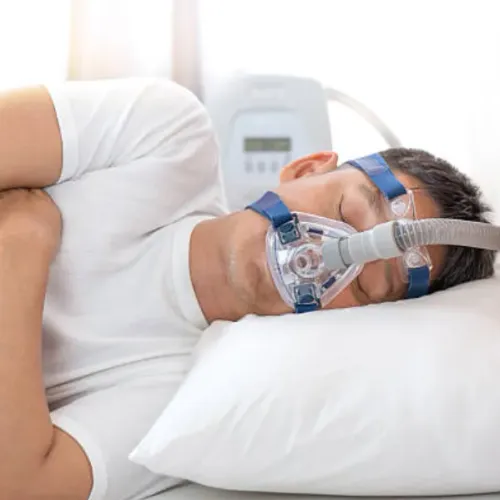
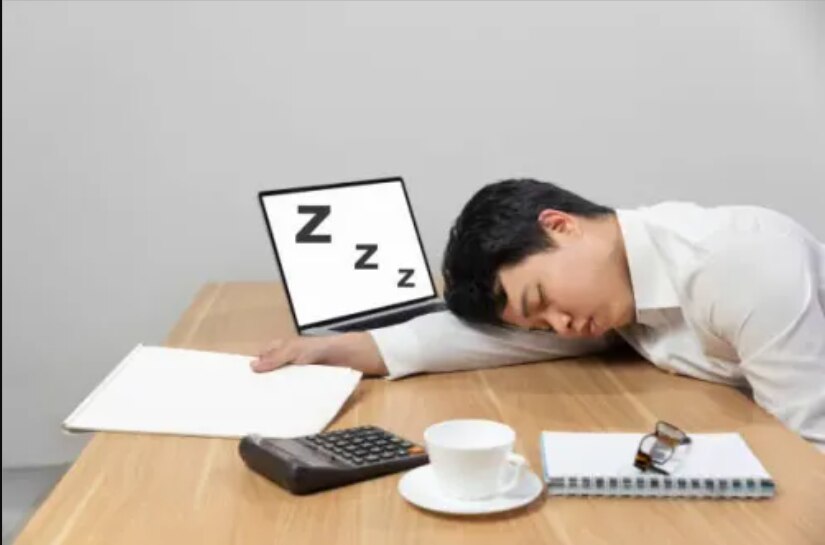
Falling asleep during a meeting, on a train, behind the wheel, or while using machinery is different from feeling drained. You will learn how to identify the pattern, reduce immediate risk, track useful evidence, and decide when persistent sleepiness needs a medical evaluation.
Key takeaways
- Sleepiness involves an urge to sleep; fatigue feels like low energy without dozing.
- Do not drive if you are nodding off, missing turns, or struggling to stay alert.
- Persistent sleepiness can result from poor sleep, medicines, sleep apnoea, or other conditions.
- Bring your sleep schedule, medication list, and recent symptoms to your evaluation.
Sleepiness, fatigue, or something else: what are you experiencing?
Sleepiness means your brain is struggling to stay awake; fatigue means you feel drained without necessarily being able to sleep. If you can doze within minutes in a quiet meeting, while reading, or as a passenger, sleepiness is more likely. If you remain awake but lack strength or motivation, fatigue is the better description.
Check what happens during ordinary tasks:
- Your head nods, eyelids close, or you experience brief “blank” moments.
- You reread the same lines, lose track of a conversation, or miss steps in familiar work.
- You feel sleepy after lunch, during screen use, on a long train ride, or behind the wheel.
- Your alertness improves clearly after a proper night’s sleep, rather than only after pushing yourself harder.
- You feel exhausted but cannot sleep, especially with breathlessness, weakness, low mood, or poor concentration.
Do not use coffee, loud music, or an open car window to prove that you are safe to drive; these can briefly mask sleepiness without restoring reliable alertness. Stop driving if you are fighting sleep or have had a near-miss.
Persistent unintentional dozing despite enough time in bed deserves assessment, because restricted sleep, a sleep disorder, medicines, depression, anaemia, thyroid disease, or another medical problem can look similar. A daytime fatigue sleep specialist in Mumbai can separate these patterns before recommending tests.
When daytime drowsiness becomes a Mumbai work and travel hazard
A safety problem appears when you might fall asleep during a task where one missed second can cause injury. Dozing in a meeting may affect performance; drifting across lanes, missing a signal, nodding on a two-wheeler, or forgetting steps on a staircase indicates danger.
Sleepiness affecting work in Mumbai becomes a safety issue when long commutes, early shifts, heat, or irregular hours leave you unable to stay alert.
| Situation | Warning sign | Safer response |
|---|---|---|
| Driving or commuting | Heavy eyelids, lane drifting, missed stops, repeated head-nods | Stop driving; use a taxi, trusted driver, or public transport |
| Machinery or work at height | Missed steps, delayed reactions, brief “blank” periods | Stop the task and tell your supervisor |
| Desk or screen work | Unintentional dozing while reading, in meetings, or at a computer | Move away from hazards and arrange a rest or safe journey home |
Microsleeps can arrive without a dependable warning. Coffee, loud music, opening a window, or washing your face will not make a drowsy driver reliable; pull over in a safe place and do not resume until fully alert.
If you have already had a near-miss, repeated unintentional dozing, or sleepiness despite enough time in bed, arrange a medical evaluation.
- Treat repeated head-nods, missed work steps, and errors that improve after sleep as warning signs.
- Do not operate machinery, climb, or drive after taking a sedating medicine or drinking alcohol.
What can cause persistent daytime sleepiness?
Start with sleep opportunity: most adults need at least seven hours in bed each night. Long Mumbai commutes, early starts, rotating shifts, night work and irregular schedules can reduce actual sleep without causing a sleep disorder. If alertness improves after several nights of adequate sleep, restricted sleep is a strong suspect.
| Cause | What points towards it | What goes wrong if missed |
|---|---|---|
| Insufficient sleep or misaligned schedule | Short sleep, changing shifts, late nights, or frequent naps | Stimulants mask the problem while driving and work errors continue |
| Sleep disorder | Snoring, witnessed breathing pauses, restless legs, repeated awakenings, sudden sleep attacks, or sleepiness despite enough time in bed | Treating every case as obstructive sleep apnoea misses narcolepsy, idiopathic hypersomnia, limb-movement disorders and circadian disorders |
| Medicine or substance effect | Sleepiness after antihistamines, benzodiazepines, opioids, some antidepressants or antipsychotics; alcohol adds sedation | Stopping a prescribed medicine suddenly can be unsafe; review changes with the prescriber |
| Medical or mental-health condition | Anaemia, thyroid disease, poorly controlled diabetes, asthma or COPD, depression, low mood or loss of interest | Fatigue and low motivation may be mistaken for an increased tendency to fall asleep |
Keep a sleep diary for about two weeks. Record bedtime, waking time, awakenings, naps, shift work, alcohol, stimulant use, snoring or pauses, and episodes of unintended dozing. Persistent sleepiness despite adequate sleep time warrants a clinical evaluation rather than an automatic oxygen test or stimulant.
When should you seek a sleep disorder evaluation in Mumbai?
Book a sleep disorder evaluation in Mumbai if you repeatedly fall asleep unintentionally, despite allowing about seven or more hours in bed, or if sleepiness disrupts work, travel, or daily tasks.
- Dozing while reading, in meetings, on screens, during a commute, or behind the wheel
- Head-nods, missed steps, or work errors that improve after sleep
- Near-misses while driving or operating machinery
- Loud snoring, witnessed breathing pauses, choking awakenings, or frequent night waking
A daytime sleepiness disorder evaluation in Mumbai should also address sleepiness that continues after apparently adequate sleep. The assessment may need to consider narcolepsy, idiopathic hypersomnia, restless-legs or limb-movement disorders, circadian-rhythm problems, depression, thyroid disease, anaemia, or sedating medicines rather than treating every case as sleep apnoea.
Keep a sleep diary for 14 days before the appointment. Record bedtime, estimated sleep time, awakenings, final waking time, naps, shift or night work, alcohol, caffeine, stimulant use, sedating medicines, snoring, and witnessed pauses. The pattern can expose short sleep or an irregular schedule that one clinic visit misses.
Do not drive after a sleep episode or near-miss. A negative, inconclusive, or technically inadequate home sleep-apnoea test does not end evaluation when symptoms persist; polysomnography may be needed to detect missed disease and other disorders.
How to prepare for a consultation and choose the next test
Bring two weeks of evidence, not only a description of feeling tired. An excessive daytime sleepiness doctor in Mumbai needs to know whether you actually doze, how much sleep you have the opportunity to obtain, and whether the pattern points to sleep apnoea, narcolepsy, an irregular body clock, medicine effects, or another illness.
- Record bedtime, estimated sleep time, awakenings, final waking time, naps, shift changes, snoring, witnessed breathing pauses, restless legs, drowsy driving, and near-misses.
- Bring every medicine, supplement, and substance with its dose and timing. Include antihistamines, benzodiazepines, opioids, antidepressants, antipsychotics, alcohol, sleeping tablets, and caffeine.
- Bring reports for thyroid disease, anaemia, asthma, COPD, diabetes, depression, or previous sleep tests. Do not stop a prescribed medicine without medical supervision.
- Note whether sleepiness occurs while reading, in meetings, on screens, commuting, or operating machinery.
The test depends on the pattern, not on snoring alone.
| Option | What it answers | When it applies |
|---|---|---|
| Home sleep-apnoea test | Whether uncomplicated obstructive sleep apnoea is likely | High pre-test probability in an appropriate adult; qualified interpretation is required |
| Polysomnography | Breathing, oxygen, brain waves, movements, and sleep stages overnight | Suspected complex disease, another sleep disorder, or a negative, inconclusive, or inadequate home test |
| Blood tests, actigraphy, or daytime nap testing | Medical causes, sleep timing, or narcolepsy and idiopathic hypersomnia | Persistent sleepiness after history review and suitable overnight testing |
Dr. Pujan Parikh can match the investigation to your diary, examination, medicines, and safety risk rather than treating every case as an oxygen test.
Related services
Sleep Medicine Services Excessive Daytime Sleepiness Disorders Excessive Daytime Sleepiness Disorders View service → |
Sleep Medicine Services Snoring Assessment & Management Snoring Assessment & Management View service → |
Frequently asked questions
How can you tell daytime sleepiness from fatigue?
Sleepiness is an urge to sleep and includes dozing in quiet situations. Fatigue is low energy or motivation without necessarily feeling able to sleep.
When does sleepiness become a work or travel safety hazard in Mumbai?
Treat it as a hazard when you nod off during meetings, reading, or commuting, miss traffic signals or turns, struggle to keep your eyes open, or make avoidable work errors. Do not drive when you feel drowsy.
What can cause persistent daytime sleepiness?
Causes include insufficient or irregular sleep, obstructive sleep apnoea, sedating medicines, alcohol, depression, and other medical or sleep disorders. A clinician can help identify the cause.
When should you seek a sleep disorder evaluation in Mumbai?
Seek an evaluation when sleepiness persists despite enough time in bed, affects work or travel, causes unplanned dozing, or comes with loud snoring, witnessed breathing pauses, morning headaches, or disturbed sleep.
How should you prepare for a daytime sleepiness consultation?
Record your sleep and wake times, naps, snoring, breathing pauses, alertness episodes, work or travel risks, medicines, caffeine, alcohol, and relevant medical history. The clinician will choose tests based on your symptoms.
Related services
Sleep Medicine Services Parasomnias & Other Sleep Disorders Parasomnias & Other Sleep Disorders View service → |
Sleep Medicine Services Sleep Hygiene Counseling View service → |
Sleep Medicine Services Sleep Apnea (Obstructive & Central) Diagnosis and Treatment Sleep Apnea (Obstructive & Central) Diagnosis and Treatment View service → |
Keywords