Snoring is common, but loud snoring accompanied by repeated pauses in breathing can point to something more significant. Sleep apnea causes breathing to repeatedly stop or become disrupted during sleep, which can reduce sleep quality even when a person appears to spend enough hours in bed.
The condition frequently goes unnoticed because many of its most revealing symptoms happen while the person is asleep.
Snoring Is Only One Possible Sign
A partner or family member may notice nighttime symptoms before the patient does.
Possible warning signs include:
- Loud, frequent snoring
- Breathing that repeatedly stops and starts
- Gasping or choking during sleep
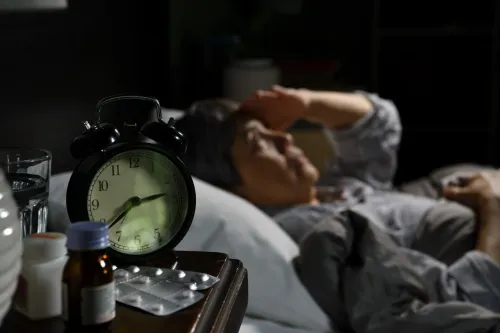
- Frequent awakenings
- Dry mouth on waking
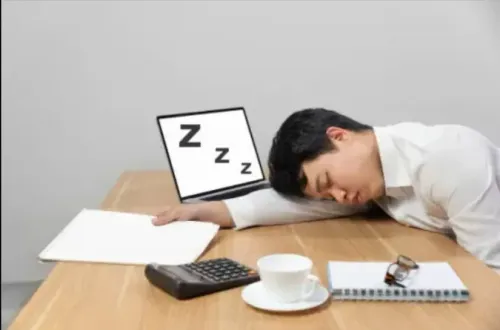
During the day, people may experience tiredness, excessive sleepiness, difficulty concentrating, or morning headaches.
Not everyone who snores has sleep apnea. The combination and severity of symptoms are what make further assessment important.
Why Can Someone Sleep All Night and Still Feel Tired?
Sleep apnea can repeatedly disturb normal sleep. These interruptions may be brief enough that the person does not remember waking up.
As a result, spending seven or eight hours in bed does not necessarily mean obtaining seven or eight hours of restorative sleep.
Persistent daytime sleepiness can affect concentration, reaction time, work performance, and everyday functioning.
How Is Sleep Apnea Confirmed?
Symptoms can raise suspicion, but diagnosis generally requires appropriate sleep evaluation. A sleep study can record breathing and other physiological information while a person sleeps.
The results help determine whether sleep apnea is present and provide information about its severity.
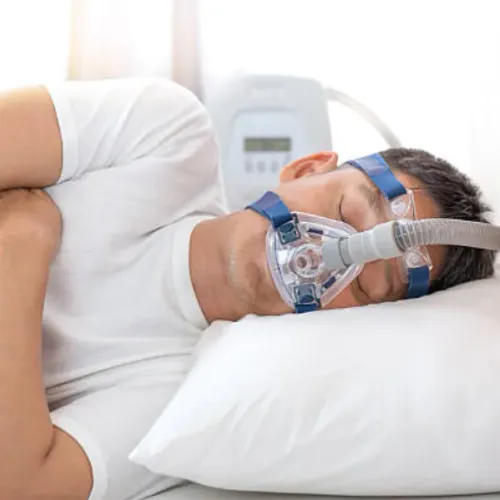
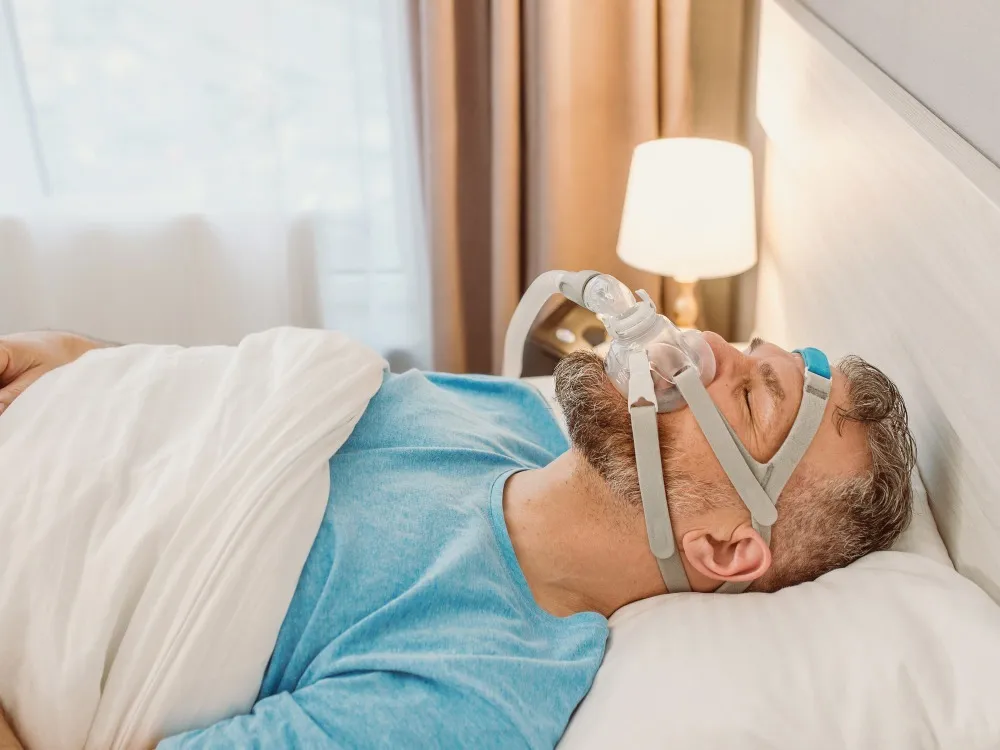
Treatment is then selected according to the type and severity of the disorder as well as individual patient factors. Positive airway pressure therapy, including CPAP, is commonly used for obstructive sleep apnea.
When Should Snoring Be Evaluated?
Snoring deserves more attention when it occurs alongside witnessed breathing pauses, choking episodes, substantial daytime sleepiness, or persistent morning symptoms.
Dr. Pujan Parikh evaluates respiratory sleep disorders for patients from Colaba and surrounding South Mumbai areas in Maharashtra, helping distinguish uncomplicated snoring from conditions requiring further investigation.
Sleep apnea should not be diagnosed from snoring alone, and a CPAP machine should not simply be selected based on symptoms without proper assessment. When nighttime breathing abnormalities are suspected, structured evaluation helps establish what is happening during sleep and which treatment approach is appropriate.
Keywords