
Breathlessness, chest pain, low oxygen, confusion, and worsening symptoms after initial improvement require more than waiting for a cough to settle. You will learn which signs call for emergency services, when to arrange same-day pulmonary assessment, how to check oxygen safely, and what to bring to a consultation.
Key takeaways
- Call an ambulance for severe breathlessness, blue lips, confusion, fainting, or inability to stay awake.
- Seek same-day assessment for worsening breathing, persistent fever, chest pain, or low oxygen readings.
- Record oxygen readings, medicines, fever pattern, and symptom changes before your consultation.
- Arrange follow-up when symptoms persist, oxygen remains low, or recovery stops improving.
Which pneumonia symptoms need emergency help or same-day assessment?
Severe breathing difficulty, blue or grey lips, fainting, inability to stay awake, new confusion, or a very low oxygen reading require an ambulance or emergency-department assessment. These signs can indicate respiratory failure or sepsis; do not drive yourself if you are faint, confused, or struggling to breathe.
For anyone searching pneumonia for symptoms pulmonary care charni road, arrange same-day review with a pneumonia doctor charni road when you cannot keep fluids down, cough blood, have chest pain that worsens with breathing, persistent high fever, or become worse after initial improvement.
| Urgency | Symptoms | What to do |
|---|---|---|
| Emergency now | Severe breathlessness, blue or grey lips, fainting, new confusion, cannot stay awake, rapidly worsening symptoms, or persistently low oxygen | Call emergency services or go to the emergency department |
| Same-day assessment | Unable to keep fluids down, coughing blood, pleuritic chest pain, persistent high fever, or worsening after improvement | Seek same-day pulmonary assessment |
| Prompt review | Breathlessness, cough, fever, marked fatigue, or reduced activity without improvement | Book an assessment rather than relying on symptoms alone |
Older adults may have weakness, reduced alertness, confusion, or a lower-than-usual temperature instead of a high fever. Use a lower threshold for assessment for young children, pregnancy, smoking, diabetes, COPD, asthma, heart or kidney disease, and weakened immunity.
How should you use a pulse oximeter, and what can mimic pneumonia?
A pulse oximeter supports pneumonia respiratory care near Charni Road, but it cannot replace an examination. Use it consistently so a number reflects your condition rather than a measurement error.
- Rest quietly for several minutes before checking.
- Warm your hand if the fingers feel cold.
- Remove nail polish or artificial nails from the measuring finger.
- Place the device securely and keep your hand still.
- Wait for the oxygen number and pulse to stop changing.
- Repeat an unexpectedly low reading on another finger after warming your hand.
Cold fingers, poor circulation, movement, nail products, device limitations, and an incorrect fit can distort results. A reassuring reading does not overrule severe breathlessness, blue or grey lips, confusion, fainting, inability to stay awake, or inability to speak normally; seek emergency care for those signs.
| Illness | Clues that can overlap | What separates it |
|---|---|---|
| Pneumonia | Cough, fever, breathlessness | New lung infiltrate on imaging |
| Influenza | Sudden fever, aches, cough | Prominent muscle aches and abrupt onset |
| COVID-19 | Fever, cough, fatigue | Exposure, loss of smell, or a positive test |
| Acute bronchitis | Cough after a cold | Usually no new infiltrate |
| Asthma exacerbation | Wheeze and chest tightness | Variable airflow obstruction |
| COPD flare | More cough, sputum, breathlessness | Change from the usual COPD pattern |
| Tuberculosis | Cough, fatigue | Weeks-long symptoms, weight loss, night sweats |
| Heart-related breathlessness | Breathlessness, cough | Worse lying down, leg swelling, heart findings |
Cough and fever alone cannot confirm pneumonia; worsening symptoms need clinical assessment.
What happens during pulmonary assessment, and how is treatment chosen?
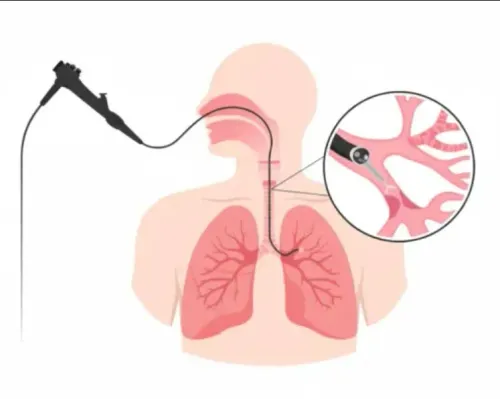
Your assessment starts with symptom timing, fever pattern, cough, chest pain, breathlessness, exposure, medicines, allergies, and conditions such as COPD, asthma, diabetes, or heart disease. The clinician then checks breathing effort, mental status, blood pressure, pulse, hydration, and chest sounds, followed by oxygen saturation.
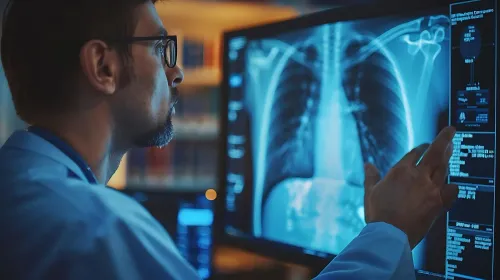
- A chest X-ray is ordered when pneumonia is suspected or severity is uncertain. An early normal X-ray does not always exclude pneumonia; if symptoms and examination remain concerning, reassessment, repeat imaging, or selective CT may be appropriate.
- Blood tests or sputum culture are used when results could change treatment. Cultures matter most for severe illness, hospital admission, or risk of resistant organisms such as MRSA or Pseudomonas—not for every uncomplicated outpatient case.
- The Pneumonia Severity Index can support the decision between home care and admission. Oxygenation, low blood pressure, confusion, comorbidities, ability to swallow oral medicine, and reliable home support matter more than fever alone.
Bacterial pneumonia may need antibiotics, while antibiotics do not treat viral pneumonia. Do not use leftover tablets or choose antibiotics because sputum looks yellow or green; drug selection must account for allergies, kidney or liver function, recent antibiotics, resistance risk, and treatment setting.
Corticosteroids are not routine for non-severe community-acquired pneumonia. They are reserved for another clear indication or selected severe cases. For pneumonia treatment charni road, Dr. Pujan Parikh can help decide whether observation, oral treatment, hospital care, or further testing fits the findings. This is pneumonia respiratory care charni road based on severity, not guesswork.
Related service
Pulmonary (Respiratory) Services Pneumonia & Respiratory Infection Pneumonia & Respiratory Infection View service → |
What should you take to a pneumonia consultation near Charni Road?
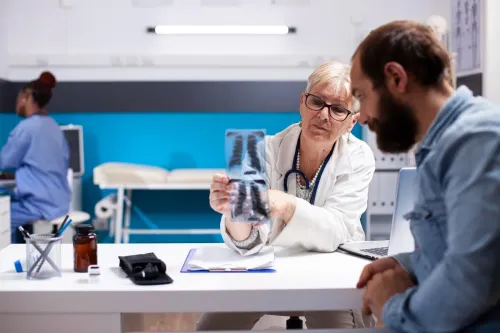
Bring a one-page timeline to your pneumonia consultation near Charni Road. Start with the date symptoms began, then record temperature and oxygen readings with the time and activity, such as resting, walking, or after climbing stairs.
- Write every medicine, dose, recent antibiotic, supplement, and drug allergy.
- Bring prior chest X-rays, CT scans, blood tests, COVID-19 or influenza results, and discharge papers.
- Note influenza, COVID-19, and pneumococcal vaccination dates.
- Record recent hospital visits, antibiotic courses, injections, and oxygen treatment.
- Mention recent travel, healthcare exposure, smoking or vaping, choking, vomiting, or possible aspiration.
- List pregnancy, diabetes, asthma, COPD, heart, kidney, liver, or immune conditions.
- Note whether you can eat, drink, walk to the bathroom, take oral medicines, and manage safely at home.
These details change pulmonary care decisions, including whether you need further testing, oral treatment, observation, or hospital assessment. Recent antibiotics affect resistance and treatment choice; low oxygen, poor intake, confusion, or limited home support can make home care unsafe. Do not rely on memory.
Record how each symptom is changing. Use these descriptions:
| Symptom | Improving | Unchanged or returning |
|---|---|---|
| Fever | Lower or absent | Returns after initial recovery |
| Cough | Less frequent or milder | Persists or worsens |
| Breathlessness | Easier at rest or walking | Increasing or present at rest |
| Chest pain | Less frequent | New or worsening with breathing |
| Fatigue | More energy | Prevents ordinary activity |
Share the record with the clinician so worsening pneumonia symptoms receive prompt pulmonary care.
How should recovery be monitored, and when is follow-up pulmonary care needed?
Fever often improves before cough, breathlessness, fatigue, and exercise tolerance. These symptoms can last several weeks, but recovery should move steadily forward. Arrange reassessment for recurrent fever, worsening after initial improvement, continuing low oxygen, increasing breathlessness, persistent chest pain, or major difficulty with ordinary activity.
If you need pneumonia treatment in Charni Road, these changes justify contacting a clinician rather than extending self-care.
Follow-up chest imaging is not automatic after complete recovery. A clinician may recommend a repeat X-ray or selective CT for persistent symptoms, unexpectedly slow recovery, older age, or a smoking history. Prevention includes influenza, COVID-19, and age- or risk-appropriate pneumococcal vaccination, hand hygiene, smoking cessation, and control of chronic lung, heart, kidney, or immune disease.
Arrange pneumonia respiratory care near Charni Road when you have:
- Repeated pneumonia, pneumonia after meals, choking, unexplained weight loss, or a cough that does not clear. Evaluation may look for aspiration, swallowing dysfunction, asthma, COPD, immune problems, bronchiectasis, or an obstructing lesion.
- Symptoms that limit walking, climbing stairs, eating, or working even as the fever settles. A pneumonia treatment Charni Road consultation can determine whether you need further testing or longer-term management.
| Recovery pattern | What it suggests | Action |
|---|---|---|
| Steady improvement | Expected recovery | Continue the plan and monitor |
| Persistent or slow symptoms | Possible complication or underlying disease | Arrange pulmonary review and discuss imaging |
| Worsening after improvement | Relapse, complication, or a second problem | Seek prompt reassessment |
Frequently asked questions
Which pneumonia symptoms need emergency help or same-day assessment?
Call an ambulance for severe breathing difficulty, blue or grey lips, fainting, new confusion, inability to stay awake, or a very low oxygen reading. Seek same-day medical assessment for worsening breathlessness, chest pain, persistent fever, or declining oxygen readings.
How should you use a pulse oximeter, and what can mimic pneumonia?
Warm your hand, rest for several minutes, place the oximeter on a fingertip, and wait for a steady reading. Record oxygen saturation and pulse. Asthma, pulmonary embolism, heart failure, COVID-19, influenza, bronchitis, and tuberculosis can produce similar symptoms.
What happens during pulmonary assessment, and how is treatment chosen?
The clinician reviews symptoms, medical history, medicines, exposure risks, and oxygen readings, then examines your breathing. Treatment depends on severity, examination findings, imaging, oxygen levels, and whether the cause is bacterial, viral, or another condition.
What should you take to a pneumonia consultation near Charni Road?
Take your identity and medical records, chest X-ray or CT reports, laboratory results, medicine list, allergy details, pulse-oximeter readings, temperature records, and a timeline of symptoms.
How should recovery be monitored, and when is follow-up pulmonary care needed?
Track breathing, fever, chest pain, alertness, appetite, activity tolerance, and oxygen readings. Arrange follow-up if symptoms worsen, oxygen stays low, fever returns, fatigue persists, or recovery stops improving.
Keywords