The best treatment depends first on whether your sleep study shows obstructive events, central events, or both. By comparing the test results, treatment choices, practical demands, and follow-up requirements, you can avoid buying a device that does not address the reason your breathing stops.
Key takeaways
- Confirm apnea with a sleep study before buying a device.
- CPAP is first-line for many cases of obstructive sleep apnea.
- Oral appliances suit selected adults who cannot tolerate CPAP.
- Central sleep apnea requires a different diagnosis and treatment plan.
Which sleep-apnea pattern does your test need to show?
Do not buy a device from snoring or daytime tiredness alone. Confirm sleep apnea with polysomnography or a technically adequate home sleep-apnea test. Home testing suits uncomplicated adults with a high likelihood of moderate-to-severe obstructive sleep apnea; significant heart or lung disease, opioid use, stroke, neuromuscular weakness, or suspected central apnea calls for laboratory testing.
| Sleep-study finding | What it indicates | What to confirm before buying |
|---|---|---|
| Predominantly obstructive events, moderate or severe AHI | The throat is repeatedly collapsing | CPAP or APAP is usually appropriate; review oxygen levels, position, sleep stage, and symptoms |
| Central events with absent respiratory effort | Breathing control is unstable, not simply blocked | Do not automatically buy auto-CPAP; investigate the cause |
| Mixed events or central events appearing after PAP starts | Treatment-emergent central apnea is possible | Arrange clinician review and repeat data assessment |
An AHI number alone is not enough. Ask for the full report, including event type, oxygen nadir, arousal burden, body position, sleep stage, and whether central events occurred.
For most adults with confirmed moderate-to-severe obstructive apnea, CPAP or APAP has the strongest evidence for reducing events, but the best CPAP or other sleep apnea treatment in Mumbai still depends on your pattern and ability to use it nightly.
If central apnea appears, assess heart failure, opioid or sedative use, stroke, kidney disease, and altitude exposure. With reduced ejection fraction, a sleep specialist and cardiologist must review the echocardiogram before advanced PAP.
How CPAP compares with the main treatments for obstructive apnea
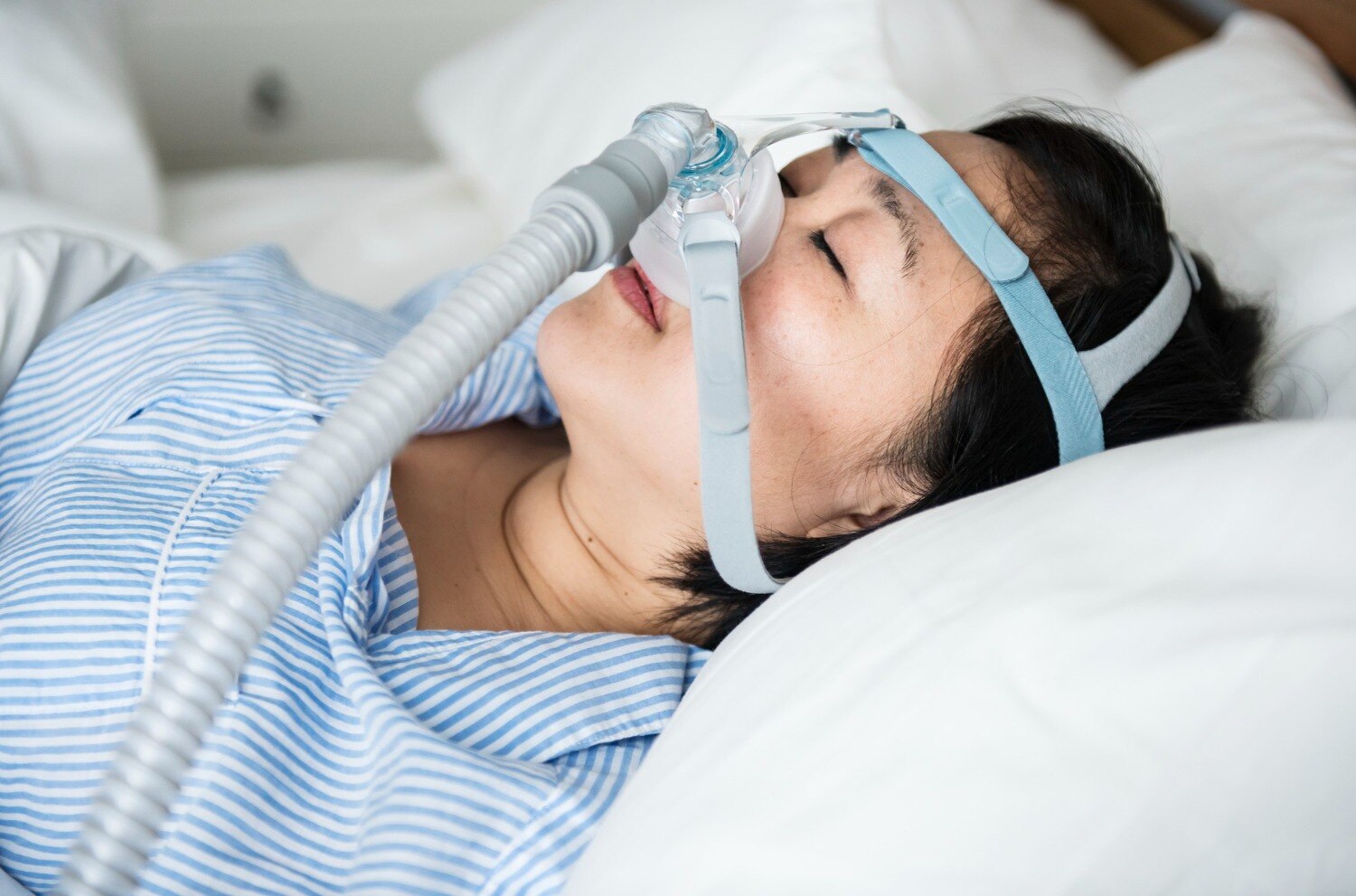
For confirmed moderate-to-severe obstructive sleep apnea, CPAP or APAP is usually the strongest first choice because it controls airway blockage reliably when worn every night. The better device depends on pressure needs, sleep-study findings, symptoms, body weight, anatomy, cardiovascular disease and comfort.
| Option | When it is the better choice | Important limitation |
|---|---|---|
| CPAP | You need one fixed pressure and have ordinary obstructive events | Mask leaks, nasal blockage or pressure intolerance require adjustment |
| APAP | Your pressure needs vary by sleep stage or position, or you want automatic pressure changes | Avoid choosing it without review if central events or hypoventilation appear |
| BiPAP | You cannot exhale comfortably against CPAP, need high pressures, or have hypoventilation or significant lung disease | It is not automatically superior for routine OSA |
| Oral appliance | Mild-to-moderate OSA, or CPAP is refused or unsuccessful | Use a custom, titratable mandibular-advancement device; repeat testing is needed |
| Positional therapy | Events occur mainly while sleeping on your back | It fails when apnea persists in side-sleeping |
| Weight reduction | Excess weight contributes to airway collapse and you need long-term risk reduction | It is not an immediate replacement for PAP in severe OSA |
| Surgery | Enlarged tonsils, nasal obstruction or jaw anatomy makes PAP unsuitable or ineffective | Results depend on the obstruction site and require specialist assessment |
These are the main sleep apnea treatment options in Mumbai and the practical cpap alternatives in mumbai. A sleep physician should match treatment to the raw study, not its AHI alone: check oxygen drops, event type, sleep position, arousals and treatment-emergent central events before buying a device.
Why central sleep apnea needs a different treatment plan
Absent respiratory effort means the event is central, not a simple blockage in the throat. Do not respond by buying an auto-CPAP and assuming it will solve the problem; the clinician must identify why your breathing signal is failing or becoming unstable.
A sleep specialist should investigate these possible contributors:
- Heart failure, including reduced pumping function
- Opioid or sedative use
- Recent stroke or other neurological disease
- Kidney disease
- High-altitude exposure
Ask for interpretation of the raw sleep-study data, not just the apnea–hypopnea index. The report should distinguish central from obstructive events and show oxygen levels, sleep stage, body position, arousals, and whether central events appeared after PAP started.
Treatment then targets the cause. That may mean reviewing opioids, treating heart failure or another illness, or selecting oxygen or a specialised PAP mode.
If heart failure is present, a cardiologist and sleep specialist should review the echocardiogram before advanced PAP; avoid adaptive servo-ventilation when symptomatic heart failure is accompanied by a left-ventricular ejection fraction of 45% or less. This is why central sleep apnea treatment in mumbai requires medical assessment rather than a device sale.
How to make PAP workable in Mumbai and recognise treatment failure
Use CPAP or APAP for every sleep period from the first night, including naps. During Mumbai’s heat and monsoon humidity, condensation in the mask or tube can disturb sleep; lower the humidifier setting, use a heated tube, or keep the device below mattress level. Arrange a download review after one to four weeks.
- Check mask fit while lying in your normal sleeping position. Tightening it until your face aches usually worsens leaks.
- Treat a blocked nose with clinician-advised saline, allergy treatment, or another nasal plan; mouth breathing can require a full-face mask.
- Record nightly hours, awakenings, dryness, leaks, and pressure discomfort. Do not change pressure settings without clinical advice.
- Take the device and mask to review. Ask for leak, residual event, pressure, and usage data rather than relying only on how you feel.
| Problem | What it may indicate | Adjustment to discuss |
|---|---|---|
| Dry nose, rainout, or sore skin | Humidity or mask-fit problem | Humidifier, heated tubing, saline, refitting, or a different mask |
| Claustrophobia or difficulty exhaling | Poor acclimatisation or pressure intolerance | Coaching, ramp changes, or pressure review; bilevel PAP only for a defined indication |
| Persistent snoring, choking, or high residual events | Leak, inadequate pressure, or treatment-emergent central events | Download review and supervised adjustment, not a new brand |
| Very short nightly use | The treatment is not yet workable | Refit, desensitisation, nasal treatment, and earlier follow-up |
Seek prompt review if the report shows repeated central apneas, especially with heart failure, opioid use, stroke, or kidney disease. That pattern needs cause-specific assessment, not automatic APAP.
How to choose a sleep specialist, device, and follow-up plan in Mumbai
Choose an obstructive sleep apnea doctor in Mumbai who reads the raw sleep-study data and follows treatment after the sale. An AHI number alone is not enough; ask how oxygen levels, event type, sleep position, sleep stage, arousals and treatment-emergent central events affect the recommendation.
| Option | What to ask | When it fits |
|---|---|---|
| CPAP | What pressure was effective during titration? | Confirmed obstructive events with reliable fixed-pressure control |
| APAP | What pressure range and leak limits will you set? | Obstruction varies by position or sleep stage |
| BiPAP | What finding requires separate inhale and exhale pressures? | Pressure intolerance, hypoventilation, or selected lung and breathing disorders |
| Custom oral appliance | Which qualified dentist will titrate and monitor it? | Suitable adults who cannot tolerate PAP or prefer an alternative |
| No automatic PAP | Are central events, opioid use, heart failure, stroke, kidney disease, or altitude involved? | A sleep study shows absent respiratory effort or mixed events |
Ask the doctor and device provider these questions before paying:
- Will you review the complete report and raw signals, not only the AHI?
- Who will fit the mask, check nasal obstruction, and review download data after one to four weeks?
- What counts as failure: residual events, large leak, treatment-emergent central apnea, or low nightly use?
- What happens if the mask, humidification, pressure, or exhalation feels intolerable?
- If heart failure with reduced ejection fraction is present, will a sleep specialist and cardiologist review the echocardiogram before advanced PAP?
- What are the rental, return, warranty, replacement-filter, and service terms in Mumbai?
Dr. Pujan Parikh can help interpret whether the proposed device matches the study pattern rather than accepting a sales recommendation.
Related services
Sleep Medicine Services Sleep Apnea (Obstructive & Central) Diagnosis and Treatment Sleep Apnea (Obstructive & Central) Diagnosis and Treatment View service → |
Sleep Medicine Services Snoring Assessment & Management Snoring Assessment & Management View service → |
Frequently asked questions
Which sleep test should you choose for suspected sleep apnea?
Polysomnography is preferred when you have significant heart or lung disease, opioid use, stroke, neuromuscular weakness, or suspected central apnea. A technically adequate home sleep-apnea test suits an uncomplicated adult with a high likelihood of moderate-to-severe obstructive sleep apnea.
Is CPAP better than other obstructive sleep apnea treatments?
CPAP is usually the most effective treatment for obstructive sleep apnea when used correctly. A mandibular advancement oral appliance, positional therapy, weight management, surgery, or upper-airway stimulation may suit selected patients who cannot tolerate CPAP or have specific anatomical or clinical needs.
What treatment is used for central sleep apnea?
Central sleep apnea needs evaluation for causes such as heart failure, opioid use, high altitude, stroke, or other medical conditions. Treatment may involve addressing the cause, changing medicines, oxygen, CPAP, bilevel therapy, or adaptive servo-ventilation under specialist supervision.
How can you tell whether PAP treatment is failing?
Persistent daytime sleepiness, loud snoring or witnessed breathing pauses while using PAP, frequent mask leaks, rising device-reported events, morning headaches, or inability to use the device regularly indicate a need for review rather than self-adjustment.
How should you choose a sleep specialist and PAP device in Mumbai?
Choose a specialist who reviews your sleep-study report, diagnoses the apnea pattern, checks mask fit and pressure data, and schedules follow-up. Compare devices by validated event tracking, humidification, mask options, local servicing, replacement supplies, and data access.
Keywords