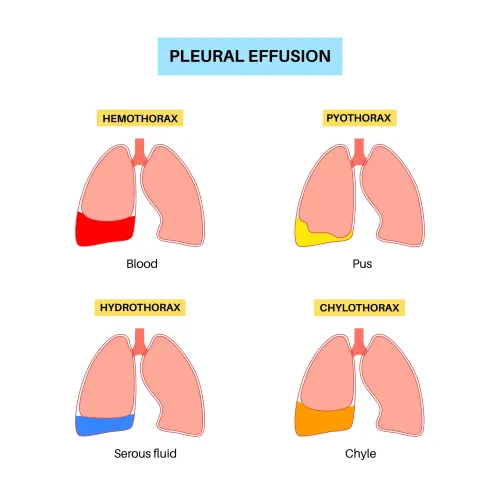
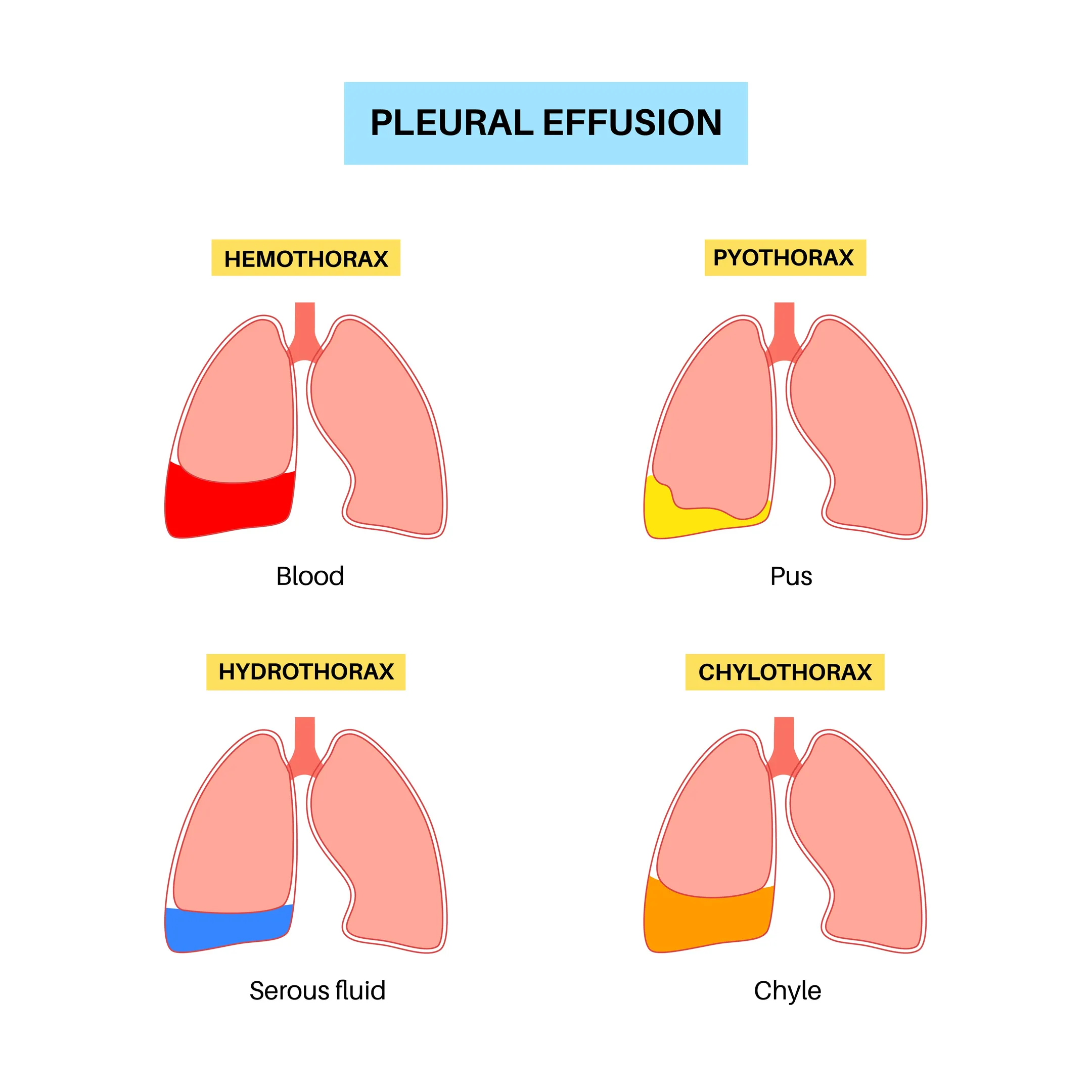
Pleural effusion refers to an abnormal accumulation of fluid in the space between the lung and the inner chest wall. Some people have only mild symptoms, while a larger collection can make breathing increasingly uncomfortable.
Finding pleural fluid is not a diagnosis by itself. The important question is why the fluid has accumulated.
For patients in Mumbai Central and nearby areas of Mumbai, Maharashtra, evaluation generally focuses on identifying the underlying condition and determining whether the fluid needs to be sampled or drained.
What Symptoms Can Pleural Effusion Cause?
Symptoms depend partly on how much fluid is present and how quickly it has accumulated.
A person may experience:
- Shortness of breath
- Chest heaviness
- Chest pain, sometimes worse with deep breathing
- Cough
- Reduced ability to exercise
- Fever when an infection is involved
Some pleural effusions are discovered unexpectedly during chest imaging performed for another reason.
Why Does Fluid Collect Around the Lung?
Pleural effusion can occur in association with several medical conditions. Possible causes include infections, tuberculosis, heart-related conditions, malignancy, and certain inflammatory or systemic illnesses.
Because the causes vary considerably, simply knowing that fluid is present is not enough to determine treatment.
How Is Pleural Effusion Investigated?
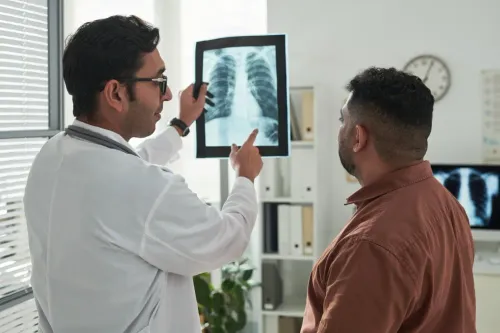
Evaluation begins with medical history and examination. Imaging such as a chest X-ray or ultrasound can help identify and assess the fluid, while CT imaging may be useful in selected situations.
A pulmonologist may recommend removing a sample of pleural fluid for laboratory analysis when appropriate. The sample can provide valuable information about the likely cause.
The investigation plan is determined individually rather than applying the same tests to every patient.
Does Every Pleural Effusion Need Drainage?
Not necessarily.
Whether drainage is required depends on factors such as the amount of fluid, symptoms, suspected cause, characteristics of the fluid, and the patient's overall condition.
Some situations require diagnostic sampling. Others may require therapeutic drainage to relieve significant breathlessness. Management of the underlying cause is equally important because simply removing fluid does not necessarily prevent it from returning.
Dr. Pujan Parikh assesses pleural and respiratory conditions with the aim of determining both the extent of the problem and its possible cause.
For patients around Mumbai Central and South Mumbai, a newly detected pleural effusion should therefore be viewed as a finding requiring proper evaluation rather than a standalone disease. Understanding why the fluid developed is the key step toward selecting appropriate treatment and follow-up.
Keywords