The terms CPAP and BiPAP are sometimes used interchangeably in everyday conversation, but the two forms of positive airway pressure therapy do not work in exactly the same way. Understanding the difference can help patients see why a respiratory or sleep physician may recommend one device rather than another.
How CPAP Works
CPAP stands for continuous positive airway pressure.
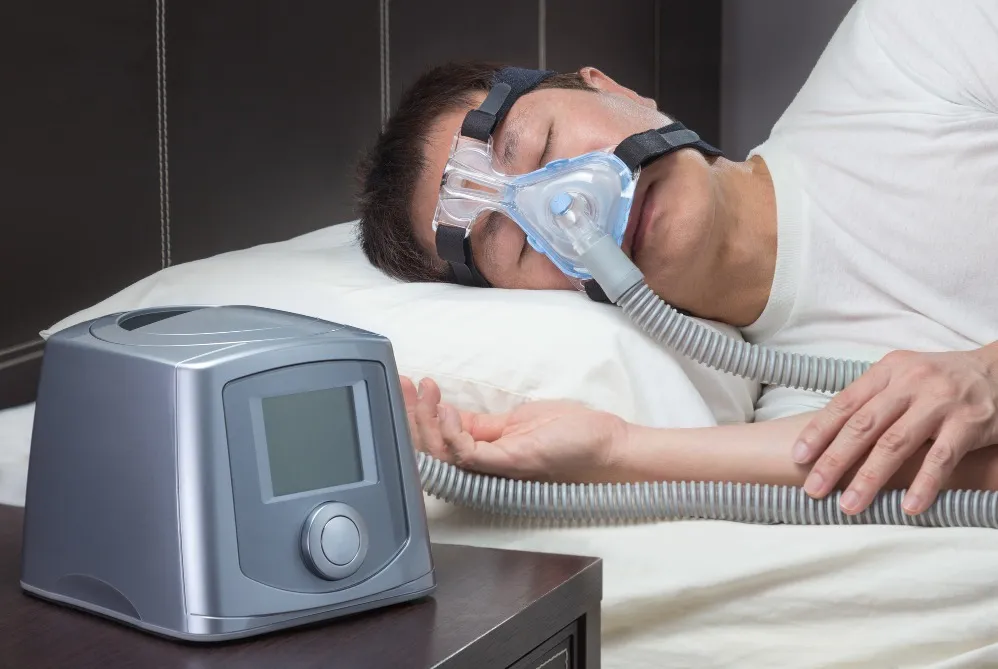
The machine provides continuous pressure to help prevent the airway from closing during sleep. CPAP is widely used in the treatment of obstructive sleep apnea.
The prescribed pressure and mask setup should be selected according to the patient's assessment and treatment requirements.
How BiPAP Therapy Is Different
BiPAP therapy, also called bilevel positive airway pressure, uses different pressure levels during inhalation and exhalation.
In simple terms:
- CPAP provides continuous positive airway pressure.
- Bilevel PAP provides one pressure while breathing in and another while breathing out.
That difference can be clinically useful in particular respiratory and sleep-related situations.
Is BiPAP Better Than CPAP?
Not as a general rule.
The appropriate question is not which machine is more advanced, expensive, or powerful. It is which mode of treatment matches the patient's medical needs.
For many people with obstructive sleep apnea, CPAP can be an appropriate treatment. Other patients may require bilevel therapy because of their specific breathing pattern, pressure requirements, associated respiratory condition, or other clinical factors.
Choosing a machine without appropriate evaluation can therefore lead to unnecessary expense or unsuitable treatment.
What Should Be Reviewed Before Choosing?
A physician may consider:
- The confirmed diagnosis
- Sleep-study findings
- Severity and pattern of breathing abnormalities
- Oxygen levels
- Existing lung or neuromuscular conditions
- Previous PAP experience
- Treatment tolerance
- Required pressure levels
Even after treatment begins, follow-up can be valuable. Modern PAP devices can provide treatment information that helps clinicians assess usage, leaks, and residual breathing events.
Dr. Pujan Parikh evaluates sleep-related breathing disorders and PAP requirements for patients around Mumbai Central and neighbouring South Mumbai areas in Maharashtra.
Patients who already own a CPAP or BiPAP machine but remain excessively sleepy, uncomfortable, or unable to use the device consistently may also benefit from reassessment.
The central principle is simple: CPAP and BiPAP are medical therapies, not interchangeable consumer appliances. Device type, mask, pressure, and follow-up should reflect the diagnosed condition and the patient's individual respiratory needs.
Keywords